Source Height Adjustable Aluminum Trolley Case for Logistics, Storage, and Travel
Compare 30 listings for a height adjustable aluminum trolley case with wheels designed for logistics, storage, and travel. Buyers can evaluate specifications like load capacity, material, and customization options to find the right supplier for their needs; compare the available evidence and request quotations based on your requirements.
Key considerations
Products List




Comprehensive Sourcing Guide
Height Adjustable Aluminum Trolley Case with Wheels Sourcing Guide
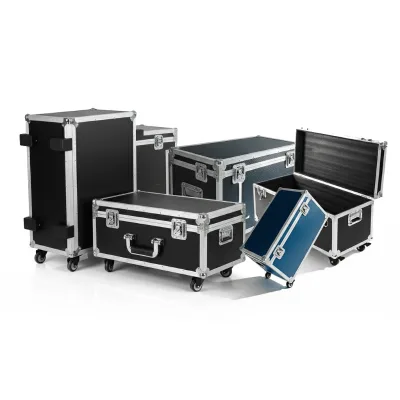
Procuring a height adjustable aluminum trolley case with wheels requires balancing structural integrity with ergonomic adaptability. Buyers must prioritize cases that offer robust aluminum alloy frames, as observed in listings featuring aluminum profiles and metal construction. These materials provide the necessary durability for logistics and shopping cart applications while maintaining a lightweight profile. The presence of external casters and wheeled designs ensures mobility, making these units suitable for transition environments where frequent movement is required.
The customization options available in the market allow for tailored solutions, including logo printing and specific color choices like black. Buyers should verify if the case includes additional features such as a stool or specific lining materials like EVA veneer for shockproof protection. Understanding the interplay between the aluminum frame, MDF panels, and plastic core locks is essential for ensuring the case meets both aesthetic and functional requirements for unisex or specialized tool storage needs.
Product Scope and Observed Listing Signals
The observed product range includes trolley cases with varying capacities, from mini to medium, and load capacities ranging from 3-10 kg to 20 kg. Listings indicate that these cases are often new, with conditions ranging from unfolded to specific folded states, though the primary observation is an unfolded, ready-to-use configuration. The material composition frequently combines aluminum alloy with metal components, ensuring a balance between strength and weight. Buyers should note that while some listings mention waterproof and shockproof functions, these attributes should be verified against specific product models.
Packaging methods vary, with options including pallets, cartons, polybags, or combinations thereof, which impacts shipping costs and handling procedures. The gross weight of these items is typically greater than 1.5 kg, indicating a substantial build quality. Models such as Jy-T01 through Jy-T13 suggest a modular approach to sizing and functionality. Procurement teams must align their order quantities with the observed MOQ ranges, which can extend up to 600 units, to secure favorable commercial terms and ensure supply chain stability.
Technical Specifications to Verify
When evaluating technical specifications, the height adjustability feature is critical for ergonomic compliance in various work environments. Buyers must confirm the mechanism’s durability and the range of adjustment, ensuring it supports the stated maximum load capacity without compromising stability. The use of aluminum profiles and panels made from aluminum plus MDF provides a rigid structure, but the hardness level, described as partial hard, suggests a need for careful handling to prevent surface damage. Verifying the caster type and bearing capacity is essential for smooth operation on different floor surfaces.
The inclusion of accessories such as plastic core locks and handles adds to the functional utility of the case. Buyers should inspect the quality of these components, as they are prone to wear and tear. The lining, often EVA veneer, offers protection for sensitive tools or equipment, but the extent of customization available should be clarified. Additionally, the waterproof attribute, if present, must be tested for effectiveness in humid or wet conditions, ensuring that the internal contents remain safe from moisture damage during transit or storage.
Compliance and Safety Documentation
Compliance with international standards is a key consideration for global procurement. Listings indicate adherence to SGS and CE standards, which are critical for market access in many regions. Buyers must request valid certification documents to verify that the aluminum trolley cases meet specific safety and quality benchmarks. The CE mark, in particular, suggests conformity with health, safety, and environmental protection standards for products sold within the European Economic Area. Ensuring that these certifications are current and applicable to the specific product model is vital for regulatory compliance.
Beyond standard certifications, buyers should inquire about any additional testing results related to load-bearing capacity and material durability. The observed bearing capacity of 3-10 kg and max load capacity of up to 20 kg should be supported by independent test reports. Documentation regarding the waterproof and shockproof claims should also be reviewed to ensure they align with industry expectations. Proper documentation not only facilitates customs clearance but also builds trust with end-users who rely on the reliability of the equipment.
Cost Drivers and Commercial Terms
Several factors influence the cost of height adjustable aluminum trolley cases, including material quality, customization options, and packaging requirements. The use of aluminum alloy and metal components contributes to higher material costs compared to plastic alternatives. Customization, such as logo printing and specific color choices, may incur additional fees, although some suppliers offer free mold costs. Buyers should negotiate these terms carefully to manage overall procurement expenses without compromising on quality or design specifications.
Packaging plays a significant role in logistics costs, with options ranging from simple polybags to more protective palletized shipments. The observed MOQ ranges from 1 to 600 units, allowing for flexibility in order sizes. Buyers should consider the total landed cost, including shipping and handling, when evaluating quotes. Understanding the supplier’s pricing structure and any volume discounts can help in optimizing budget allocation. Clear communication regarding payment terms and delivery schedules is essential to avoid unexpected costs and ensure timely receipt of goods.
Supplier Qualification and Quality Control
Selecting a reliable supplier is crucial for obtaining high-quality aluminum trolley cases. Buyers should assess the supplier’s production capabilities, focusing on their experience with aluminum profiling and case manufacturing. Verification of their quality control processes, including inspections for material integrity and assembly precision, is essential. Suppliers who offer customization and have a track record of meeting specific client requirements are preferable. Due diligence on the supplier’s reputation and past performance can mitigate risks associated with product defects or delivery delays.
Quality control should extend to the final product, with checks on the functionality of height adjustment mechanisms, caster mobility, and lock security. Buyers may request samples to evaluate the build quality and material finish before placing large orders. Establishing clear quality standards and acceptance criteria in the purchase agreement helps ensure that delivered products meet expectations. Regular audits or third-party inspections can provide additional assurance of consistent quality, particularly for long-term procurement relationships.
Long-Term Procurement Checks
Long-term procurement success depends on continuous monitoring of supplier performance and product reliability. Buyers should establish key performance indicators (KPIs) related to delivery times, product quality, and customer satisfaction. Regular feedback loops with end-users can identify any emerging issues with the trolley cases, such as wear on casters or failure of adjustment mechanisms. Maintaining open communication with suppliers allows for proactive resolution of problems and fosters a collaborative relationship focused on continuous improvement.
Reviewing market trends and technological advancements in aluminum case design can help buyers stay competitive. Staying informed about new materials, ergonomic features, or sustainability practices can inform future procurement decisions. Additionally, evaluating the supplier’s ability to adapt to changing market demands, such as increased customization requests or volume fluctuations, is essential for maintaining a resilient supply chain. By prioritizing these long-term checks, buyers can ensure a steady supply of high-quality, height adjustable aluminum trolley cases with wheels.
FAQs
What is the maximum load capacity of this trolley case?
The maximum load capacity is 20kg, ensuring safe transport for medium-sized items. This specification supports the product's classification as a medium capacity unit. Users should verify that the total weight of contents does not exceed this limit to maintain structural integrity and caster performance during transit.
Can the height of the trolley case be adjusted?
Yes, the height is adjustable to accommodate different user preferences and storage needs. This feature allows for ergonomic handling and efficient space utilization in various environments. The adjustable mechanism works in conjunction with the wheeled design to provide stable mobility while maintaining the desired operational height for the user.
What materials are used in the construction of this case?
The case is constructed from aluminum alloy and metal components, providing durability and lightweight properties. The panel combines aluminum with MDF, while the lining features EVA veneer for shock protection. This material mix ensures the product is waterproof, shockproof, and suitable for protecting sensitive tools or equipment during transport.
Is customization available for this aluminum frame tool case?
Customization is available, including logo printing and tailored lining options. Buyers can request specific configurations to meet unique branding or functional requirements. The mold cost is free for customized orders, making it an economical choice for businesses seeking branded or specialized storage solutions with distinct visual or protective features.
What certifications does this product hold?
The product holds CE and SGS certifications, indicating compliance with relevant safety and quality standards. These certifications assure buyers of the product's reliability and adherence to international manufacturing norms. This validation is crucial for B2B procurement, ensuring that the aluminum trolley case meets necessary regulatory requirements for import and commercial use.
How is the product packed for shipping?
The product is packed in cartons, pallets, or polybags depending on the order quantity. Standard packing includes 2PCS per polybag within a carton, while larger orders may use pallets. This flexible packaging strategy ensures safe transit and efficient handling, protecting the aluminum frame and wheels from damage during logistics and storage processes.